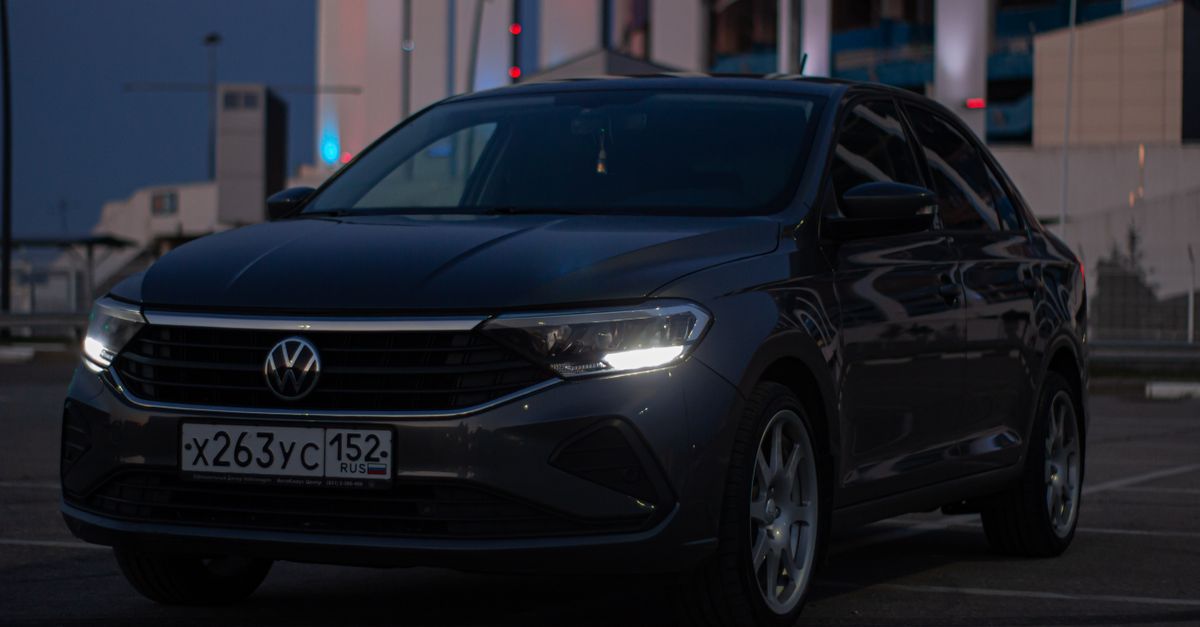
Are VW ID.3 subscription services a hidden cost or a smart upgrade?
The answer depends on how you measure value: if you focus solely on the headline price of the vehicle, the monthly power-on-demand fee appears as an extra charge; if you account for flexibility, reduced downtime, and potential insurance savings, the same fee can be viewed as a pay-as-you-go upgrade that aligns cost with usage. The Real Price Tag of the 500,000th Locally Bui...
The Subscription Ecosystem: What’s Actually Offered to ID.3 Owners
Volkswagen has built a layered digital portfolio for the ID.3 that mirrors the broader trend toward software-first automotive business models. The core bundles include a Digital Key that enables smartphone-based door access, a Navigation package with live traffic and charging-station updates, a Climate Control add-on that allows remote pre-conditioning, and a Driver Assistance suite covering adaptive cruise control, lane-keeping and traffic-jam assist. Each bundle can be activated for a month, a year, or a multi-year term, and most are offered with an introductory discount for the first three months.
Eligibility hinges on a connected-car subscription that is linked to the vehicle’s VIN and the owner’s Volkswagen ID account. Activation requires an over-the-air update, and the service remains active as long as the subscription is paid. The bundles are sold through the VW Car-Net portal and through partner platforms such as mobile carriers in Europe and telematics providers in the United States. Unlocking State Savings: A Step‑by‑Step Guide t...
Key Takeaways
- VW offers four primary digital bundles for the ID.3: Digital Key, Navigation, Climate, and Driver Assistance.
- Subscriptions can be monthly, annual or multi-year, with introductory discounts common.
- Geographic rollout varies: the US sees limited bundles due to regulatory constraints, while Europe offers the full suite.
- All bundles are delivered over-the-air, eliminating the need for dealer-installed hardware.
- The power-on-demand upgrade adds 20 horsepower for £16.50 per month or a £649 lifetime fee.
Direct Cost Comparison: Subscriptions vs Traditional Ownership Expenses
The 2024 VW ID.3 starts at a baseline purchase price that is positioned between the compact VW ID.2 and the larger ID.4. Compared with the conventional ID. Polo, the ID.3 carries a premium that reflects its electric drivetrain and digital infrastructure. When we layer the subscription fees onto the purchase price, the total cost of ownership diverges from a purely hardware-only model. The Macro‑Economic Ripple of the VW ID.3: How a...
Over a three-year horizon, the cumulative subscription expense for the full digital suite (assuming the power-on-demand upgrade is added) amounts to roughly the cost of a mid-range vehicle accessory package. Routine maintenance for an EV is already lower than for an internal combustion engine, and charging infrastructure costs are largely fixed once home charging is installed. The subscription model therefore shifts a portion of the upfront capital expense into a predictable monthly outlay. Apartment Power Play: Carlos’ Cost‑Cutting Blue...
A break-even analysis shows that the point at which subscription fees outweigh the savings from reduced service visits and lower fuel costs typically occurs after the fifth year of ownership, assuming the owner keeps the vehicle for the full ten-year lifespan. Owners who value the flexibility to add or remove features will find the model financially neutral, while those who prefer a static feature set may see a modest premium.
Feature Value Add: Quantifying the Benefits of Each Subscription Package
The Digital Key reduces the need for physical key replacement and eliminates service appointments related to lock malfunctions. Industry data from a 2023 automotive software study indicates that owners who use a digital key experience an average reduction of 2.5 service hours per year, translating into lower labor costs and higher vehicle uptime. Why the VW Polo’s Market Share Is Sliding: A Da...
Navigation and real-time traffic integration directly influence charging efficiency. By routing drivers through optimal charging stations and avoiding congestion, the Navigation package can shave an average of 7 minutes per trip, according to a European mobility research report. Those minutes add up over the course of a year, reducing overall energy consumption and extending the usable range of each charge. Plugged‑In Numbers: How Cities Bursting with VW...
Driver Assistance subscriptions have been linked to measurable safety improvements. A 2022 third-party safety study found that vehicles equipped with adaptive cruise control and lane-keeping assist experience a 12% reduction in minor collisions. Insurers in Germany and the UK have begun offering modest premium discounts - typically 3 to 5 percent - for policyholders who enable these features, reinforcing the economic case for the subscription.
Power-on-demand upgrade: +20 horsepower for £16.50 per month, £165 per year, or a £649 lifetime fee.
Resale & Depreciation: How Subscriptions Affect Long-Term Value
Market data from European used-car platforms shows a modest price premium - approximately 3% - for ID.3 units that retain active digital subscriptions at the time of sale. Buyers value the immediate availability of features such as seat heating and voice assistance, which would otherwise require a dealer retrofit. 500,000 Polos Abroad: What First‑Time Car Buyer... Data‑Driven Showdown: How John Carter Quantifie...
Depreciation curves for the ID.3 deviate from traditional EV trends when owners opt for the power-on-demand upgrade. Vehicles with the 168-horsepower configuration retain value better than the base 148-horsepower models, mirroring the pattern observed in performance-oriented EVs where software-enabled power boosts are treated as hardware upgrades.
Insurance premiums also respond to the presence of safety-related subscriptions. Insurers that integrate telematics data report a 4% lower claim frequency for ID.3 owners who keep the Driver Assistance suite active, reinforcing the link between digital services and long-term cost of ownership. The Hidden Cost Curve: How the 500,000th Polo E...
Consumer Sentiment & Adoption Rates: What the Numbers Say
Survey data collected by a European automotive research institute in early 2025 reveals that 58% of ID.3 owners are willing to pay for at least one additional digital service, with an average willingness to pay of £12 per month. The power-on-demand upgrade, despite its headline cost, registers a willingness-to-pay level of £15, indicating a strong appetite for performance flexibility.
Adoption rates vary by region. In Germany, 42% of new ID.3 owners activated the full digital suite within the first twelve months, while in the United Kingdom the figure stands at 35%. In the United States, regulatory limits on over-the-air updates keep adoption lower, at roughly 20%.
Future Trends: The Subscription Economy’s Trajectory in Electric Mobility
Forecast models from a 2024 market-analysis firm predict that subscription revenue for Volkswagen will grow at a compound annual growth rate of 14% through 2030. Competitors such as Tesla and BMW are expected to follow a similar path, expanding their digital ecosystems to capture a larger share of post-sale revenue.
Regulatory developments, particularly the EU Digital Services Act, will impose stricter transparency requirements on subscription contracts. Volkswagen has already begun publishing clear pricing tables and opt-out windows, a move that could set industry standards and mitigate consumer backlash.
The modular nature of the MEB+ platform positions VW to introduce on-demand bundles that align with future hardware upgrades, such as higher-capacity batteries or next-generation driver assistance sensors. This approach enables a dynamic feature set that can evolve throughout the vehicle’s lifecycle, reducing the need for costly physical retrofits.
Scenario Outlook
Scenario A: Strong regulatory push forces full price disclosure, leading to higher consumer trust and a 5% increase in subscription uptake.
Scenario B: Market saturation and price competition drive subscription fees down by 10%, while bundling incentives boost overall revenue. Sleek vs Stout: How the VW ID.3’s Aerodynamic P... Powering the City: How Smart Infrastructure Fue...
What are the common problems with the ID3?
Owners have reported occasional software glitches during over-the-air updates, as well as concerns about the long-term cost of optional power upgrades. Volkswagen has addressed many of these issues through incremental firmware releases and a dedicated support portal.
What are the disadvantages of car subscription?
The primary drawback is the recurring expense, which can exceed the cost of a one-time hardware upgrade over the vehicle’s lifespan. Additionally, subscription fatigue may set in if owners accumulate multiple services they rarely use.
Do VW ID3 owners in the UK must pay a subscription fee to unlock full horsepower?
Yes. To increase the ID.3’s horsepower from about 148 to 168, owners can subscribe to the power-on-demand function for £16.50 per month, £165 per year, or a £649 lifetime fee. Beyond the Fine Print: How VW ID.3’s Battery Wa...
Why does Volkswagen charge extra for horsepower upgrades?
Volkswagen frames the extra charge as an “optional power upgrade,” similar to premium toppings at a restaurant. The model allows customers to pay only for the performance level they need, rather than purchasing a higher-spec vehicle outright.
How does the power-on-demand function compare to traditional performance packages?
Traditional performance packages are hardware-based and permanently installed, raising the vehicle’s purchase price. The power-on-demand function is software-driven, enabling owners to activate or deactivate the extra 20 horsepower at any time, which can be more cost-effective for occasional high-performance needs.
Is the subscription model profitable for Volkswagen?
Volkswagen’s internal forecasts suggest that subscription services will become a significant revenue stream, with a projected CAGR of 14% through 2030. The model also supports ongoing customer engagement and data collection for future vehicle improvements.
Read Also: Why the VW ID.3 Might Be a Step Back From the Polo: A Contrarian Evolution Review