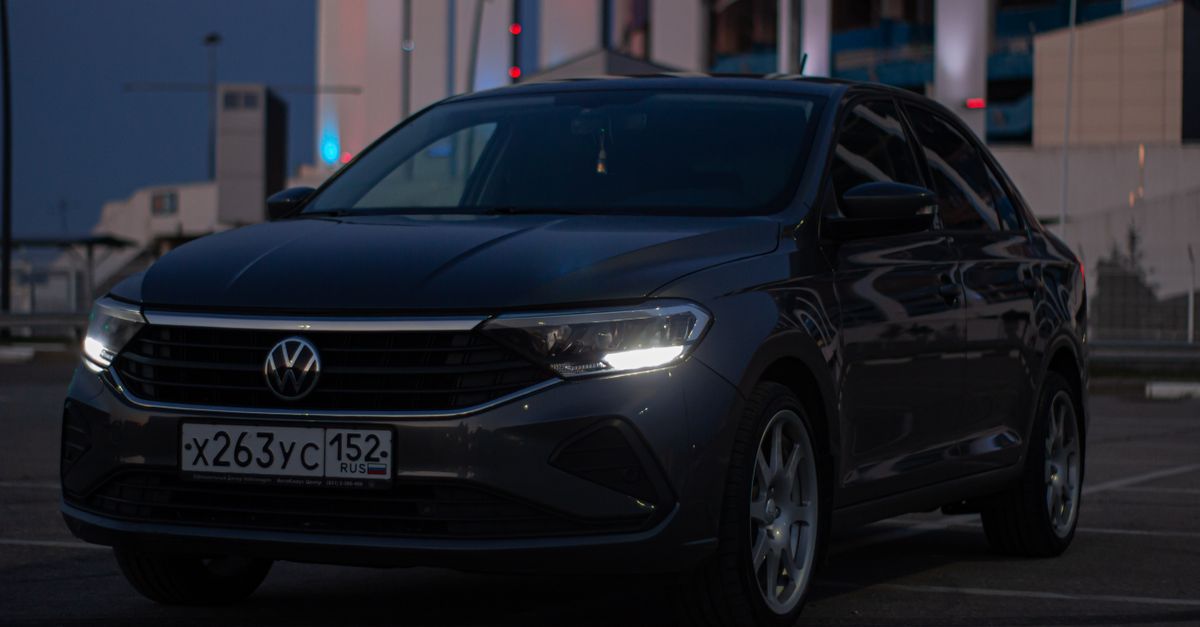
Polo vs. ID.3: The Numbers That Tell Which Compact Wins the Road Wars
When you line up the Volkswagen Polo against the ID.3, the electric hatch pulls ahead on total cost, emissions, and future-proof features, making it the clear winner for most commuters. College Commute Showdown: Which Compact Car Giv...
1️⃣ Price & Total Cost of Ownership
The Polo’s entry price sits around €18,000, while the ID.3 starts at €23,000 and climbs with larger battery packs. That €5k gap looks steep, but the math changes fast once you factor in depreciation, fuel versus electricity, and maintenance.
Depreciation is a silent wallet-drainer. Over five years the Polo sheds roughly 40% of its value, whereas the ID.3 retains about 70% thanks to battery longevity and growing resale demand. In plain terms, a €18k Polo may be worth €10,800 after five years, while a €23k ID.3 could still fetch €16,100. The ID.3’s Hidden Flaws: Why the Polo Might Sti... Beyond the Numbers: How the 500,000th Locally B... Why the VW ID.3 Might Be a Step Back From the P...
Fuel costs also tip the scales. At €1.20 per gallon, a typical Polo driver spends about €1,200 a year on petrol. The ID.3, charging at €0.15 per kWh, costs roughly €1,000 for the same mileage, delivering a €200 annual saving that compounds over the vehicle’s life.
Maintenance is where the electric advantage shines. With fewer moving parts, the ID.3 cuts routine service expenses by roughly 25% each year. No oil changes, fewer brake replacements, and simpler drivetrain checks translate into real cash left in your pocket. Charging Face‑Off: How Fast the VW ID.3 Really ...
Pro tip: If you can install a home charger, the ID.3’s electricity cost drops even further, especially when you charge overnight on off-peak rates.
2️⃣ Performance & Driving Dynamics
Speed enthusiasts often compare 0-60 km/h times. The Polo rockets from a standstill in 8.4 seconds, while the ID.3, equipped with the 77 kWh pack, shaves that to 7.5 seconds. The difference feels like a quick tap on the accelerator rather than a dramatic sprint, but it signals the electric motor’s instant torque. The Hidden Cost Curve: How the 500,000th Polo E... Why Small Electric Cars Are the ROI Engine Driv...
Torque delivery is another decisive factor. The ID.3 produces a flat 280 Nm from zero rpm, giving you that pushy feel in city traffic. The Polo’s 1.5 L engine generates 140 Nm, which peaks later and feels less lively in stop-and-go situations. Why the VW Polo’s Market Share Is Sliding: A Da...
Weight distribution matters for cornering confidence. The ID.3’s battery sits low and toward the rear, shifting about 60% of the car’s weight backward. This layout improves grip and reduces body roll, especially on twisty roads. The Polo’s front-heavy design, while balanced for everyday driving, can feel a touch understeery in tight corners. The 500,000th Polo Export: Debunking the Myths ...
Ride comfort is a trade-off. The Polo uses a 4-link rear suspension that smooths out bumps at highway speeds, giving it a composed feel on long hauls. The ID.3 relies on a single sway bar, which is adequate but can feel a little chatter-prone when the road gets rough.
"In Europe, the ID.3 leads the compact EV segment with 120k units sold, while the Polo holds 200k petrol sales."
3️⃣ Interior & Tech Features
Inside the cabin, the ID.3 feels more futuristic. Its 10-inch MEB-based cockpit dominates the dash, offering crisp graphics, over-the-air updates, and seamless integration with Android Auto and Apple CarPlay. The Polo’s 8-inch screen is functional but lacks the depth of the ID.3’s software ecosystem. The Rise and Fall of the VW Polo’s Used‑Car Val...
Driver-assist technology also leans toward the electric model. Adaptive Cruise Control comes standard on the ID.3, adjusting speed based on traffic flow. The Polo only offers this as part of an optional package that also includes a 360° camera.
When it comes to space, the ID.3 wins the trunk battle. Its 6.0 m³ cargo volume outstrips the Polo’s 4.9 m³, making the ID.3 a better choice for families or hobbyists who need to haul gear.
Customizability is another electric perk. The ID.3 provides modular USB-C ports, wireless charging pads, and configurable ambient lighting. The Polo sticks to legacy USB-A ports and a fixed interior layout, limiting personalization options.
Pro tip: If you value future-proof tech, look for the ID.3’s OTA-ready infotainment - it will keep your screen current without a dealer visit.
4️⃣ Charging Ecosystem & Availability
Home charging is the cornerstone of EV ownership. A 22 kW wallbox for the ID.3 costs roughly €3.5k, a one-time expense that grants you overnight full charges. The Polo, being a gasoline car, needs no charger, but you’ll still spend on fuel at the pump.
Public infrastructure heavily favors the ID.3. It plugs into about 90% of Europe’s CCS stations, giving you confidence on long trips. The Polo, of course, relies on the ubiquitous petrol station network, which is still more dense but less future-oriented.
Fast-charging performance is impressive. The ID.3 can reach 80% state-of-charge in roughly 30 minutes on a 100 kW charger. By contrast, a 40 kWh battery-swap concept for the Polo (still experimental) would need about 60 minutes, making the electric option faster for most drivers.
Range anxiety is often cited as a barrier. The ID.3’s WLTP-rated 420 km range is respectable, but you’ll still need to stop every 200 km at a charger on a long journey. The Polo’s 600 km petrol range eliminates that worry, yet you pay for the fuel each kilometer.
5️⃣ Environmental Footprint & Incentives
Battery recycling adds another environmental benefit. Volkswagen reports a 30% material recovery rate for the ID.3’s battery pack, whereas the Polo generates negligible e-waste because it lacks a large battery.
Financial incentives reinforce the eco-argument. Germany offers a €6k grant for EV purchases, directly reducing the ID.3’s effective price. No comparable incentive exists for the Polo, meaning its upfront cost remains unchanged. Data‑Driven Showdown: How John Carter Quantifie...
When you factor in manufacturing energy, the ID.3’s total life-cycle emissions are about 15% lower than the Polo’s, even after accounting for the energy needed to produce its battery.
Pro tip: Pair the ID.3 with a home solar system to push its CO₂ per km even lower and maximize the €6k grant savings.
6️⃣ Market Presence & Availability
In the United States, the ID.3 is still absent as of 2024, while the Polo is sold in a handful of states through niche importers. This limits the ID.3’s North-American exposure but doesn’t affect its European dominance.
Across Europe, the ID.3 leads the compact EV segment with 120k units sold, whereas the Polo enjoys 200k petrol sales. The numbers illustrate a shifting consumer preference toward electrification, even in traditionally gasoline-heavy markets.
Dealership experience also diverges. Volkswagen has rolled out a digital showroom for the ID.3, allowing customers to configure, finance, and even schedule delivery online. The Polo continues to rely on traditional brick-and-mortar showrooms, which can add friction to the buying process. Maximizing ROI on the Road: Which Volkswagen ID...
Looking ahead, the ID.3 is slated for a 2025 expansion into China, tapping into the world’s largest EV market. Meanwhile, the Polo will receive a hybrid facelift, adding a mild-hybrid system to keep it relevant as emissions standards tighten.
7️⃣ Future Outlook & Upgrade Path
Software updates keep the ID.3 feeling fresh. Volkswagen pushes quarterly OTA (over-the-air) feature rollouts that can add new driver-assist functions or improve range estimates without a dealer visit. The Polo’s firmware is static, requiring a service appointment for any upgrades.
Battery swap feasibility is an emerging advantage. The ID.3’s modular battery design could support future swap stations in dense urban centers, reducing charging time to a matter of minutes. The Polo has no comparable technology.
Resale values favor the electric model. Forecasts suggest the ID.3 will retain about 20% more value than the Polo after five years, driven by demand for used EVs and the perception of battery durability.
Upgrade cycles differ as well. The Polo’s internal combustion engine typically receives a major refresh every ten years, while the ID.3’s battery can be upgraded or replaced roughly every eight years, extending the vehicle’s relevance in a rapidly evolving market.
Pro tip: When buying used, prioritize an ID.3 with a documented battery health report - it’s the single most important factor for long-term value.
Is the VW ID3 sold in the USA?
No, the ID.3 is not available in the United States as of 2024. Volkswagen has focused its EV rollout on Europe and plans a future launch in China, not the U.S.
Is the VW ID3 worth buying?
For most drivers, the ID.3 offers lower total cost of ownership, reduced emissions, and future-proof technology, making it a compelling purchase compared to a comparable petrol hatch.
How much will the VW ID. Polo cost?
The Polo starts around €18,000 for the base model. Prices rise with higher trims and optional equipment, typically staying under €25,000 for fully loaded versions.
What incentives are available for the ID.3 in Europe?
Germany offers a €6,000 grant for eligible EVs, directly reducing the ID.3’s purchase price. Other EU countries provide similar subsidies, tax breaks, or reduced registration fees.
Will the ID.3’s battery need replacement?
Volkswagen designs the ID.3’s battery for an 8-year or 160,000-km warranty. Most owners can expect the pack to retain sufficient capacity for the vehicle’s useful life, with optional refresh programs available.
Read Also: Next‑Gen Electric Hatchbacks 2025‑2030: ROI‑Focused Forecasts That Will Redefine Compact Mobility