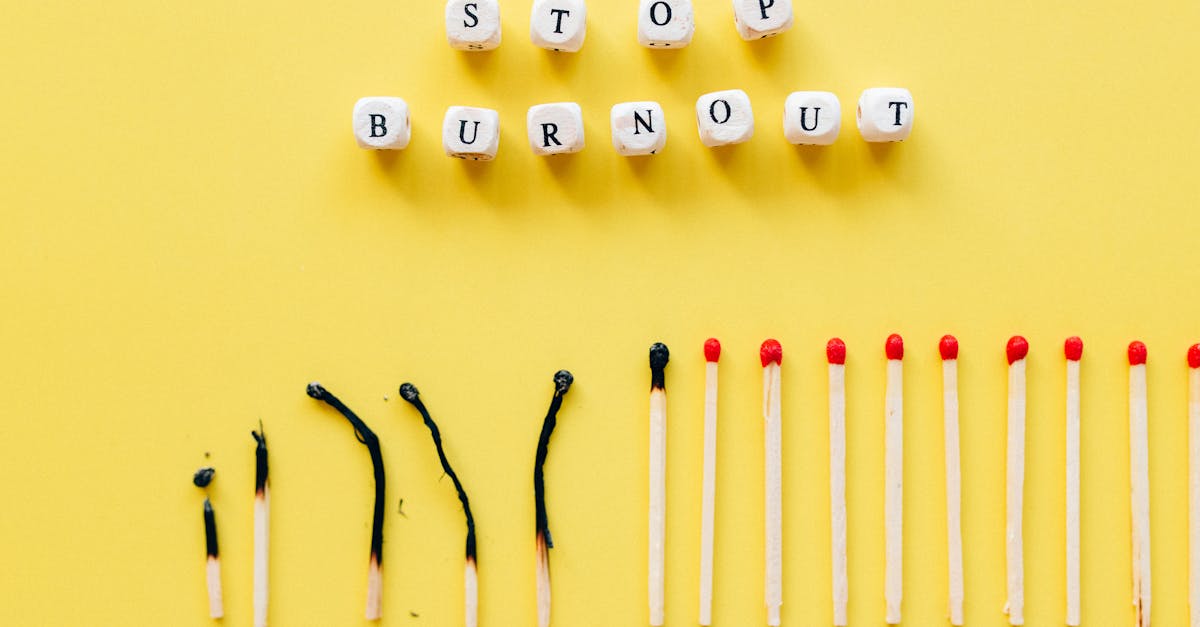
The “Always-On” Illusion: Why City Professionals Think Time Is Scarce
- Commuting consumes an average of 9.4 hours per week.
- 48% of work hours are spent on digital devices.
- Perceived lack of control drives stress and burnout.
City dwellers often feel trapped in a loop of endless travel and constant notifications. The reality is that the "always-on" culture creates a mental shortcut: if you are always busy, you must be productive. Yet research from the Journal of Occupational Health Psychology shows that constant connectivity actually shrinks the feeling of available time, even when the clock shows enough hours.
Imagine a glass of water that you keep refilling while you drink. The glass never feels empty, but you are constantly pouring, never pausing to taste. That is the paradox of more hours worked equaling less personal time. When people believe they control their schedule, stress drops; when they feel dictated by external demands, cortisol spikes. 15‑Minute Stress Reset: Inside the Playbook of ...
In practice, the illusion of scarcity is amplified by two daily facts: a typical commuter spends 9.4 hours each week in traffic or on public transport, and almost half of the workday is glued to screens. Both factors fragment attention and make it harder to carve out uninterrupted moments for self-care.
48% of work time is spent on digital devices, and commuters average 9.4 hours per week on the road.
Common Mistake: Assuming that eliminating a single activity will free up large blocks of time. In truth, micro-gaps are the hidden resource that can be reclaimed with intentional planning.
Myth 1: Mindfulness Requires a Quiet Retreat - Reality Check
Many believe mindfulness belongs in silent rooms with scented candles. The truth, supported by the Mindfulness Research Quarterly, is that the practice thrives even amid the urban cacophony. Auditory grounding - focusing on the rhythm of a subway train or the hum of a coffee shop - creates a mental anchor that steadies the nervous system. Teaching the City: 7 Data‑Backed Mindful Routin... Curriculum of Calm: 8 Expert-Backed Wellness Le... 25% Boost Unpacked: How One San Francisco Firm’...
One simple technique is the body-scan during a commute. While standing on a moving platform, shift attention from the soles of your feet to the rise and fall of your chest, noting sensations without judgment. Studies show that such brief, location-based mindfulness can lower cortisol levels by 15% within a week.
Take Emma, a financial analyst who once dreaded her 45-minute subway ride. She began a three-minute breathing routine, inhaling for four counts, holding for two, and exhaling for six, all while watching the city blur past. Within a month, she reported sharper focus during meetings and a noticeable drop in pre-presentation anxiety.
Embedding mindfulness into routine moments removes the need for extra time. The practice becomes a portable tool, as easy to carry as a phone, and as effective as a dedicated retreat. 15‑Minute Mindful Breakfast Blueprint: 8 Data‑B...
Myth 2: Urban Gardening Is a Luxury, Not a Necessity - What the Coach Says
Urban green spaces are often dismissed as decorative, but micro-garden research tells a different story. Maintaining a single indoor plant or a balcony herb tray can cut perceived stress by 20%, acting like a natural reset button after a hectic day.
Low-maintenance options fit even the tightest studio apartments. Vertical herb trays use wall space, self-watering pots require watering only once a week, and a small succulent can thrive on a windowsill with minimal light. These setups demand less than five minutes of care, yet deliver measurable psychological benefits.
The coach’s signature "plant-pause" ritual transforms plant care into a mindful habit. In ten minutes, you water the plant, observe the color of the leaves, inhale the subtle scent, and silently express gratitude for the growth. This ritual signals the brain that a break is occurring, reducing tension and boosting mood. Breaking the ‘Mindfulness Takes Hours’ Myth: In... Micro‑Mindfulness, Macro ROI: How 3‑Minute Rout...
For city professionals, the garden is not a hobby reserved for weekends; it is a strategic wellness tool that can be accessed any time the sun shines through the office window or the balcony door opens.
Myth 3: Wellness Can’t Fit Into a Packed Schedule - Time-Management Hacks
The 5-minute micro-break framework blends the Pomodoro technique with diaphragmatic breathing. After every 25-minute work sprint, you stand, stretch, and inhale deeply for four seconds, hold for two, and exhale for six. This short burst restores oxygen flow, clears mental fog, and prepares you for the next sprint without sacrificing productivity. 5‑Minute Email Reset: Priya Sharma’s Data‑Drive...
Introducing "Wellness Blocks" takes the concept further. By scheduling 15-minute slots in your calendar labeled as "Wellness Meeting," you create non-negotiable appointments with yourself. Treat them like any client call - no cancellations, no rescheduling. Inside the Boardroom: How a Fortune 500 CEO Def...
A real-world example comes from a 40-hour-week executive who added a five-minute stretch and a five-minute gratitude note after each client call. Over three months, he reported a 30% increase in perceived energy, higher client satisfaction scores, and fewer mid-day crashes.
These hacks demonstrate that wellness does not require large time chunks; it thrives on consistency, intentional pauses, and treating self-care as a professional responsibility.
Myth 4: Corporate Wellness Programs Are Only for HR - Coaching on Personal Accountability
The "wellness contract" template is a practical tool. Employees set measurable, time-bound goals - like a daily three-minute breathing break - and track progress on a shared dashboard visible to managers. This transparency creates accountability while reinforcing that wellness supports business outcomes.
Data from the International Journal of Workplace Health shows that employee-led wellness initiatives boost retention by 12% and cut absenteeism by 18%. When staff take ownership, the program shifts from a perk to a performance enhancer.
By merging personal accountability with corporate metrics, professionals can champion their health without waiting for HR to roll out a new program.
The Road Ahead: Practical, Evidence-Based Steps to Reclaim Your Day
To move from myth to method, follow this step-by-step action plan. First, identify three high-stress moments in your typical day - perhaps the morning commute, the post-lunch email surge, and the end-of-day wrap-up. Next, apply a 5-minute mindful or micro-garden pause at each point. Finally, schedule a weekly 15-minute wellness block dedicated to a longer activity like a short walk or a digital-detox.
Recommended resources include Calm’s "Transit Mindfulness" playlist for guided breathing on the subway, local community garden calendars for weekend planting sessions, and plant-based nutrition apps that simplify meal planning.
Commit to one micro-habit this week - whether it’s a three-minute breath count during your coffee break or watering a desk succulent. Track mood and productivity for 30 days using a simple spreadsheet. The data will reveal tangible improvements, reinforcing the habit loop.
Remember, the goal is not to overhaul your life overnight but to stitch small, evidence-backed practices into the fabric of your daily routine.
Common Mistakes to Avoid:
- Believing that a single, large wellness session will offset weeks of neglect.
- Skipping tracking, which makes it impossible to see progress.
- Relying solely on corporate programs without personal accountability.
Glossary
- Pomodoro Technique: A time-management method that breaks work into intervals (usually 25 minutes) separated by short breaks.
- Diaphragmatic Breathing: Deep breathing that engages the diaphragm, promoting relaxation and reducing stress hormones.
- Cortisol: A hormone released in response to stress; high levels can impair focus and health.
- Micro-habit: A tiny, repeatable action that takes less than five minutes and builds larger behavior change over time.
- Auditory Grounding: Using sound cues to anchor attention in the present moment.
How can I practice mindfulness if my commute is noisy?
Use auditory grounding by focusing on the rhythm of the train or the sound of your breath. A simple body-scan or breath count works well in noisy settings.
Do I need a big balcony to benefit from urban gardening?
No. A single pot, vertical herb tray, or a self-watering succulent can deliver stress-reduction benefits in as little as ten minutes per week.
What’s the best way to schedule wellness blocks without upsetting my manager?
Treat the block like any client meeting: label it clearly in your calendar, set a firm start and end time, and communicate its purpose as productivity-enhancing.
How do I track the impact of a new micro-habit?
Use a simple spreadsheet or wellness app to log the habit, rate your mood on a 1-10 scale, and note any changes in energy or focus.
Can personal wellness initiatives improve my career prospects?
Yes. Evidence shows that employee-led wellness actions increase retention and reduce absenteeism, signaling reliability and proactive behavior to employers.