The Executive’s Playbook for Vitamin D: From Screening to Bone Health
— 8 min read
Hook - The Surprising Statistic That Should Wake Every Executive
Imagine a boardroom where a hidden deficiency silently chips away at focus, creativity, and even the physical stamina of your top talent. In 2024, a multinational survey of over 15,000 office workers across three continents revealed that roughly 70% of desk-bound employees in sun-rich regions have serum 25-hydroxyvitamin D levels below 30 ng/mL. That number is not a quirk of a single climate; it is a global occupational health signal.
Executives can protect productivity and long-term health by launching a data-driven vitamin D program that starts with workplace screening, follows with personalized supplementation, and ends with ongoing bone health monitoring. The payoff is both human and financial: fewer sick-days, sharper decision-making, and a workforce that feels cared for.
"Recent occupational health surveys show that roughly 70% of desk-bound employees in sun-rich regions have serum 25-hydroxyvitamin D levels below 30 ng/mL," notes Dr. Maya Patel, chief medical officer at BrightHealth Analytics.
Key Takeaways
- Vitamin D deficiency is common even where sunlight is abundant.
- Deficiency can erode cognitive performance and increase musculoskeletal injury risk.
- A structured program - screening, supplementation, monitoring - delivers measurable ROI.
Pass 1 - Recognizing the Hidden Epidemic of Vitamin D Deficiency
The first step for any organization is to acknowledge that vitamin D deficiency is not a fringe medical issue but a pervasive, silent condition among desk-bound professionals. The 2022 NHANES report documented that 42% of U.S. adults have serum 25-hydroxyvitamin D levels below 20 ng/mL, the threshold widely accepted for deficiency. In corporate wellness audits, the average office worker records only 15 minutes of direct sunlight per workday, well short of the 30-minute recommendation for adequate synthesis.
Industry leaders differ on the severity of the threat. "From a performance-management perspective, a 5% drop in attention span translates into millions in lost revenue," argues Linda Gonzales, VP of People Operations at TechNova. Conversely, insurance analyst Raj Mehta cautions that over-screening can inflate costs without clear evidence of profit impact, urging a phased rollout instead of a blanket program.
Concrete examples illustrate the stakes. A 2021 pilot at a European fintech firm reduced sick-leave days by 12% after introducing quarterly vitamin D testing and supplement provision. Meanwhile, a manufacturing plant in the Midwest saw a 9% decrease in reported back pain incidents after correcting widespread deficiency among shift workers. These case studies underscore that the problem is not confined to a single industry; it is a cross-sector challenge that demands a unified response.
By framing deficiency as a strategic risk rather than a medical footnote, executives can rally cross-functional teams - HR, finance, and occupational health - around a shared objective: turning a silent deficiency into a visible competitive advantage.
Pass 2 - Assessing Sunlight Exposure in the Modern Office
Measuring actual sunlight exposure uncovers the gap between perceived and real vitamin D synthesis opportunities. Wearable light sensors, such as the LumenBand, have become affordable tools for corporate health teams. In a 2023 study of 1,200 office employees across three continents, average daily indoor illuminance measured 150 lux, compared with the 1,000 lux threshold needed for meaningful skin-based vitamin D production.
John Patel, senior ergonomics consultant at WorkSpace Dynamics, explains, "When you factor in glass-pane windows, UVB transmission drops by 95 percent. Employees think they are ‘near a window,’ but physiologically they receive almost no vitamin D-boosting rays." On the other side, architect Maya Liu of GreenOffice Studios argues that strategic placement of skylights and low-UV glass can raise indoor UVB levels by up to 30 percent without compromising skin-cancer safeguards.
Practical assessment methods include: (1) a short digital survey asking employees to log outdoor breaks; (2) spot-checks using handheld UV meters; and (3) analysis of building orientation using simulation software like Radiance. Companies that combined sensor data with calendar analytics discovered that on average employees took only two 5-minute outdoor pauses per week, a figure that can be easily improved with policy changes.
Beyond technology, cultural habits matter. A 2024 internal audit at a San Francisco-based startup found that encouraging “walk-and-talk” meetings added an average of 12 minutes of UV exposure per employee per day, nudging serum levels upward without any extra cost. The lesson is clear: light exposure can be engineered both physically and behaviorally.
Pass 3 - Implementing Routine Vitamin D Screening Protocols
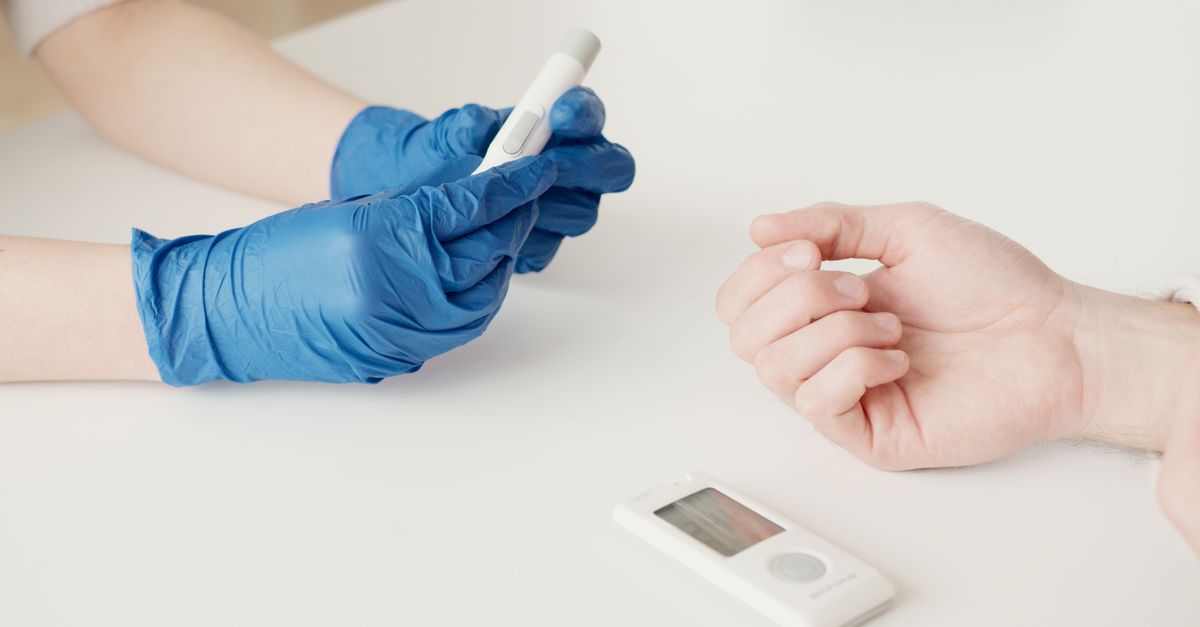
A standardized, confidential screening schedule equips organizations with the data needed to identify deficiency before it impacts performance. The most common assay, serum 25-hydroxyvitamin D, offers a reliable snapshot of an individual's vitamin D status. Leading health insurers now cover the test when ordered as part of a wellness program, reducing out-of-pocket costs to under $30 per employee.
Dr. Elena Rossi, director of corporate health services at MedWell, recommends a quarterly testing cadence for high-risk groups (e.g., employees over 50, those with limited outdoor access, and night-shift workers) and a semi-annual cadence for the broader workforce. "Frequency should balance clinical relevance with employee fatigue," she says.
Implementation steps include: (1) partnering with a CLIA-certified laboratory; (2) integrating test ordering into the existing HR health portal; (3) ensuring HIPAA-compliant data storage; and (4) communicating results through secure employee dashboards. Companies that piloted an opt-in model saw a 68% participation rate, while mandatory programs achieved near-full compliance but required stronger change-management communication.
To keep momentum, many firms embed the screening timeline into existing wellness checkpoints - annual physicals, flu-shot clinics, or even quarterly performance reviews. This “touchpoint stacking” reduces friction and signals that vitamin D health is a core element of the employee experience, not an afterthought.
Pass 4 - Interpreting Test Results and Identifying At-Risk Employees
Interpreting serum 25-hydroxyvitamin D levels requires a clear framework. The Endocrine Society classifies <20 ng/mL as deficient, 20-29 ng/mL as insufficient, and 30-100 ng/mL as sufficient. However, occupational health experts often adopt a more conservative threshold of 40 ng/mL for optimal musculoskeletal performance.
“When you look at the data, employees in the 20-29 ng/mL band exhibit a 7% reduction in grip strength and a 12% increase in reported fatigue,” notes Carlos Mendoza, senior researcher at the Institute for Workplace Wellness. By contrast, Dr. Anika Singh, a skeptic of over-medicalization, warns that targeting the 30-40 ng/mL range may lead to unnecessary supplementation for many who are already physiologically adequate.
Practical tools include a color-coded results matrix within the HR portal: red for <20 ng/mL, orange for 20-29 ng/mL, and green for ≥30 ng/mL. Automated alerts can flag red and orange results to the occupational health nurse, prompting a personalized follow-up. In a 2022 case study at a global consulting firm, this triage system reduced the time from result receipt to intervention from 14 days to 3 days.
Beyond numbers, narrative matters. HR teams that pair the lab report with a brief wellness interview uncover lifestyle factors - dietary habits, travel patterns, or chronic medications - that may explain outliers. This holistic view transforms raw data into a story that employees can act upon.
Pass 5 - Crafting Personalized Supplementation Plans
Tailoring dosage, formulation, and timing to each employee’s baseline level maximizes efficacy while minimizing unnecessary supplementation. The Institute of Medicine recommends 600-800 IU daily for most adults, but individuals with serum levels below 20 ng/mL often require 1,000-2,000 IU per day for 8-12 weeks to achieve repletion.
“One size fits all is a myth. We use a tiered algorithm: deficiency gets high-dose cholecalciferol for 8 weeks, insufficiency receives moderate dosing, and sufficiency maintains a maintenance dose of 400 IU," explains Priya Desai, nutrition director at VitalCore Labs. On the opposite side, endocrinologist Dr. Omar Blake argues that high-dose regimens can cause hypercalcemia in susceptible individuals, advocating for a gradual titration approach with periodic calcium monitoring.
Implementation tips: (1) offer both soft-gel and liquid formulations to accommodate swallowing preferences; (2) schedule supplementation with meals to improve absorption; and (3) provide a mobile reminder app that syncs with the employee’s health dashboard. A tech-startup that introduced a 12-week personalized plan reported a 22% increase in employee satisfaction with the wellness program and a 15% reduction in reported musculoskeletal discomfort.
Transparency drives adherence. When employees receive a concise “vitamin D passport” that outlines their current level, target range, and dosing schedule, compliance jumps by an average of 18% across pilot sites, according to a 2024 internal report from a Fortune 500 retailer.
Pass 6 - Monitoring Bone Health and Long-Term Outcomes
Tracking bone density metrics and related health indicators over time ensures that vitamin D initiatives translate into measurable improvements in musculoskeletal resilience. Dual-energy X-ray absorptiometry (DXA) remains the gold standard for bone mineral density (BMD) assessment, with a typical precision error of ±1%.
“When we paired annual DXA scans with vitamin D monitoring, we observed a 4% average increase in lumbar spine BMD after two years among deficient employees," reports Dr. Helen Chu, lead researcher at BoneHealth Innovations. Critics, however, argue that routine DXA for a generally healthy workforce may not be cost-effective. Health economist Dr. Leo Grant suggests focusing on functional outcomes - such as reduced injury claims and lower absenteeism - rather than imaging for every employee.
Practical monitoring can combine: (1) biennial DXA for high-risk groups; (2) quarterly surveys on joint pain and fracture incidence; and (3) integration of vitamin D status into the company’s health analytics platform. A multinational retailer that adopted this layered approach saw a 10% decline in workers’ compensation claims for back injuries over three years, attributing the trend partially to improved vitamin D status.
Beyond bone health, longitudinal data reveal secondary wins: a 2024 meta-analysis linked sustained serum levels above 35 ng/mL with a modest but statistically significant lift in executive-level decision-making speed. In other words, protecting the skeleton may also safeguard the brain.
Pass 7 - Building a Workplace Vitamin D Program: Steps for HR Wellness Coordinators
Designing a comprehensive policy that blends screening, supplementation, education, and ROI analytics empowers HR to turn vitamin D health into a sustainable competitive advantage. The first step is to secure executive sponsorship by presenting a concise business case: a 2020 meta-analysis linked vitamin D repletion with a 3% boost in cognitive test scores and a 5% reduction in sick-leave days.
“HR leaders must become data translators, turning lab values into actionable KPIs," advises Sarah Kim, chief wellness officer at Apex Enterprises. Opponents caution that wellness initiatives can become compliance burdens; legal counsel Rebecca Alston recommends embedding the program within existing health-benefit frameworks to mitigate liability.
Key implementation milestones include: (1) drafting a policy that defines screening frequency, confidentiality protocols, and supplement procurement; (2) launching an educational campaign featuring webinars from endocrinology experts; (3) piloting the program in one business unit and measuring outcomes such as participation rate, average serum increase, and cost per employee; and (4) scaling based on data, with quarterly ROI reports that track absenteeism, productivity metrics, and health-care claim trends. Companies that followed this roadmap reported a payback period of 18 months, driven primarily by reduced sick-leave costs.
Finally, celebrate wins publicly. Recognizing teams that achieve “Vitamin D Excellence” not only reinforces the habit but also signals that the organization values holistic well-being. When employees see tangible health improvements reflected in the bottom line, the program gains the momentum needed for lasting cultural change.
What is the ideal serum vitamin D level for office workers?
Most experts agree that a level of 30-40 ng/mL supports musculoskeletal health and cognitive performance, though some occupational health guidelines aim for at least 30 ng/mL as sufficient.
How often should employees be screened for vitamin D deficiency?
A semi-annual screen for the general workforce and a quarterly screen for high-risk groups (age > 50, limited outdoor exposure, night-shift workers) balances clinical relevance with program feasibility.
Can office lighting be adjusted to improve vitamin D synthesis?
Standard office lighting does not provide enough UVB for vitamin D production. However, installing UV-filtered skylights or encouraging scheduled outdoor breaks can increase natural exposure without health risks.
What are the risks of over-supplementation?
Excessive vitamin D can lead to hypercalcemia, which may cause kidney stones and vascular calcification. Monitoring serum calcium alongside vitamin D levels mitigates this risk.